Cold outreach works better when there is a real reason to write
A useful outbound message starts with relevance, makes a modest ask, and treats compliance as part of the craft.

By Danish Khan
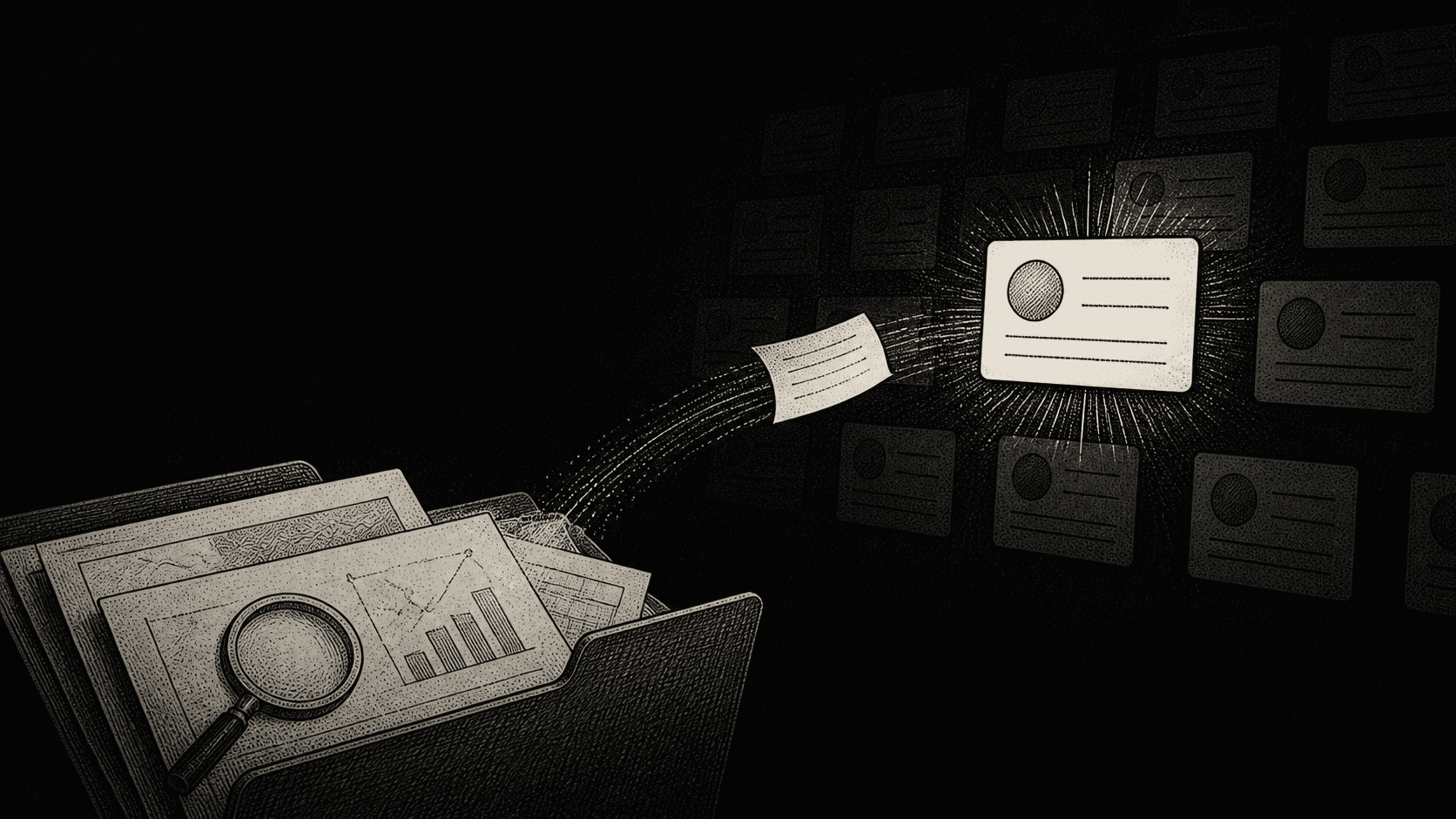
Cold outreach gets a bad reputation because so much of it begins with the sender's quota instead of the recipient's situation. The message is technically personalised, but it could have been sent to a thousand people. It opens with flattery, jumps to a pitch, and asks for time before earning any attention.
The better standard is simple: do not write unless you can name a real reason that this particular person might care. Relevance is not a first-name token. It is a credible connection between something you noticed and a problem you can genuinely help with.
Find a reason before you find an opening line
Start with public evidence, not imagined pain. A new product launch, a hiring post, an unanswered question in a webinar, a changed workflow, or a stated company priority can be enough. The goal is not to prove you know everything about a business. It is to show that you understand one small, observable detail well enough to make a useful suggestion.
That changes the research question from \u201cHow can I personalise this?\u201d to \u201cIs there a responsible reason to contact this person at all?\u201d If the answer is no, leave them alone. A smaller list with legitimate reasons will usually produce better conversations than a huge list built from job titles alone.
Write the reason down in one sentence before drafting anything. For example: \u201cTheir team just introduced a self-serve onboarding flow, and I can share a short teardown of the handoff that may create drop-off.\u201d If you cannot make that sentence concrete, you probably have not earned the send.
Make the first message easy to understand
A first note only needs four parts:
- The specific signal you noticed.
- The useful point or asset you can offer.
- Why it may matter now.
- A small, easy-to-decline next step.
That might look like this:
I saw the new onboarding flow for teams. I noticed the setup checklist asks for data before showing a first useful outcome. I made a three-minute teardown with two alternatives. Would it be useful if I sent it over?
There is no inflated claim, no manufactured familiarity, and no request for a 30-minute meeting. The recipient can say yes, no, or ignore it without friction. That is a much healthier starting point for a commercial conversation.
The message should also be honest about who is writing. A real sender name, an accurate subject line, and a reply address that works are table stakes. In the United States, the FTC's CAN-SPAM compliance guide says commercial email needs truthful header information and non-deceptive subject lines. It also requires a clear way to opt out and a valid postal address. This is general information, not legal advice; rules differ by country, channel, and audience, so get advice for your own programme.
Let the ask match the relationship
The colder the relationship, the smaller the ask should be. Asking for feedback on a one-page observation is usually reasonable. Asking someone to become a customer, join a demo, or introduce you to their team in the first line is often too much.
Good outreach creates a path to value before it creates a path to a sale. That can mean sharing a relevant example, answering a question they have already raised publicly, or offering a concise point of view. It should not mean disguising a pitch as \u201cresearch.\u201d If you are selling, be clear that you are selling.
There is also a useful test: would you still send the note if there were no way to automate the follow-up? If not, the message is probably designed around volume instead of judgment.
Follow up with new information, not pressure
Most follow-ups fail because they repeat the original ask with more urgency. \u201cBumping this\u201d does not make the message more valuable. A follow-up should add something: a new observation, a short example, a decision the recipient might be considering, or a polite close-the-loop note.
Two thoughtful touches are often enough. After that, stop unless the recipient replies or there is a genuinely new reason to reconnect. For commercial email governed by CAN-SPAM, the FTC says opt-out requests must be honoured promptly, within 10 business days, and the opt-out mechanism must work for at least 30 days after the message is sent. Respecting a no is not merely good manners; it is part of running a responsible outreach operation.
Build a system that protects attention
The best outbound systems make it harder to send low-quality mail. Keep a short record for every prospect: the actual signal, the hypothesis behind your relevance, what you offered, and what happened next. Review replies by quality, not only by booked calls. Did people understand why you contacted them? Did they say the note was timely? Did anyone ask you not to write again?
That review loop helps a team remove the weakest messages before they become a habit. It also improves positioning: when people respond to one framing and ignore another, you learn what your offer means in the real world.
Cold outreach does not need to feel cold. Start with a defensible reason, make a useful and proportionate offer, and give the other person full control over what happens next. The result is fewer messages sent, better conversations started, and a reputation you do not have to repair later.