Turning meeting notes into work that actually moves
Meeting notes are only useful when decisions become visible actions with an owner, a time, and a place to follow up.

By Danish Khan
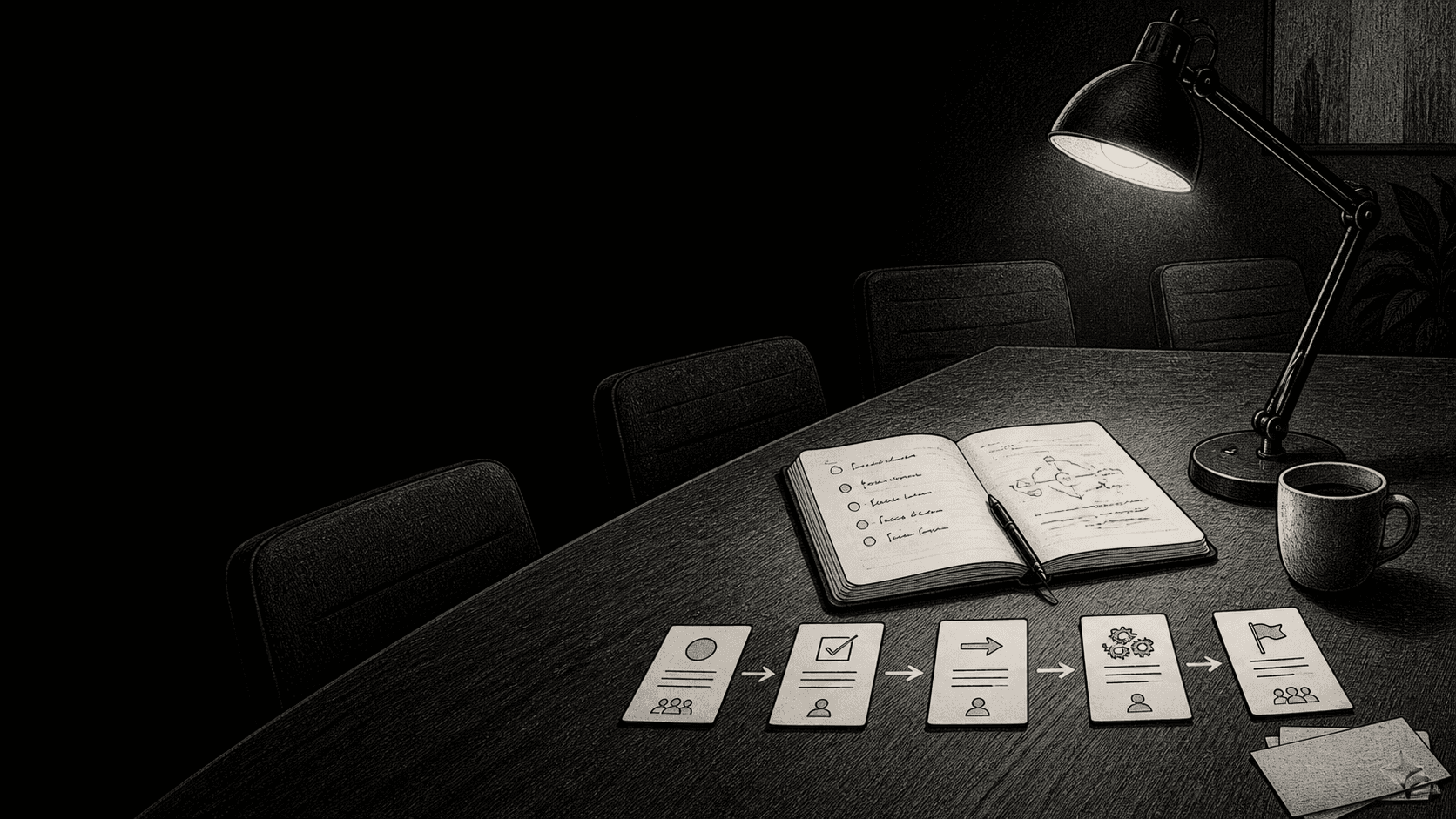
A meeting is not finished when the call ends
Most teams know the feeling: the conversation was useful, everyone agreed on what mattered, and then the next week arrives with no clear record of who was meant to do what.
The problem is not a lack of notes. It is the gap between a note and an action.
“We should follow up with the customer” is a note. “Danish sends the revised proposal to Maya by Thursday, using the questions from today’s call” is work that can move.
That distinction is central to how I think about Siela. A meeting assistant should not simply produce a cleaner transcript. It should help a team turn the moments that matter into actions that can be reviewed, assigned, and found later.
Capture the decision, not every sentence
Transcripts have their place, especially when people need the original language. But a transcript does not tell a team which moment changed the plan.
For a useful follow-up, I look for four things:
- What was decided?
- What needs to happen next?
- Who owns it?
- When should the team revisit it?
If one of these is missing, the system should show the uncertainty rather than inventing it. An AI can suggest an owner from the conversation, but the person in the room should be able to correct it before a task is created.
Put actions where the work already happens
The most common failure mode is creating a perfect meeting summary in a place nobody opens again.
Action items need to move into the system where follow-up already happens: a task list, a project board, a CRM record, or a shared decision log. The meeting note can remain the source, but it should link to the work rather than become a separate island.
Nielsen Norman Group’s guidance on UX retrospectives gives a simple, practical standard: make action items realistic, assign an owner and due date, record them somewhere the team can access, and check their progress at the next review. That is good advice beyond retrospectives. It is a useful test for any meeting follow-up system.
Use review as the handoff
The handoff from conversation to action deserves a short review step. This is where an AI-native workflow can save time without pretending it is always right.
The workflow should show the proposed task alongside the source context. A person can then confirm the wording, change the owner, add a date, or discard it. That takes seconds when the proposal is good and prevents a bad note from becoming an incorrect commitment.
This pattern also keeps accountability clear. The AI helped with the administrative work; the team made the decision.
Build a loop, not a summary graveyard
A durable meeting system has a loop:
- Capture decisions and next steps during or immediately after the discussion.
- Review uncertain details before they become tasks or CRM updates.
- Put approved actions into the team’s existing work system.
- Bring unfinished items back into the next relevant conversation.
That last step is what makes the system useful. A follow-up is not complete because it was written down. It is complete when the team has either done the work, changed the plan, or consciously decided it no longer matters.
Notes should lower the cost of acting
Good meeting notes do not create more reading. They reduce the cost of knowing what to do next.
That is the outcome worth designing for: fewer lost promises, less duplicate follow-up, and a team that can see what moved because of a conversation.